
The Meningioma Center specializes in meningioma brain tumors. For instance, a meningioma is a type of tumor that originates from the meninges. Moreover, these meninges are protective membranes surrounding the brain and spinal cord. In addition, it ranks as the most common primary central nervous system tumor. It accounts for about 30% of all brain tumors. Furthermore, it typically grows slowly (my.clevelandclinic.org). Although meningiomas are often benign and non-cancerous, they differ from true brain tumors. This is because they arise from the meninges rather than brain tissue itself. Nevertheless, they can trigger symptoms like headaches, seizures, or neurological deficits. These depend on their location and pressure points.
While most meningiomas remain non-malignant, management includes observation, surgery, or radiation. However, a small percentage may turn atypical or malignant. Therefore, they demand more aggressive treatment. Risk factors involve prior radiation exposure. Certain genetic conditions, such as neurofibromatosis type 2, also play a role. Additionally, meningiomas occur more often in women and older adults. Diagnosis typically relies on imaging like MRI or CT scans. Treatment decisions hinge on tumor size, location, and symptoms.
OUR SERVICES

Our Center
We specialize in meningiomas. They are generally slow-growing benign tumors that originate in the meninges — the membranes that cover and surround the brain. Meningiomas are located outside the brain but as the tumor grows it can press on the underlying brain and adjacent nerves and cause neurological symptoms and disability.

Our Team
Our experienced neurosurgery team offers innovative and compassionate world-class treatment for patients with meningiomas.
The Meningioma Specialists are fellowship-trained neurosurgeons who are skilled in procedures to treat a wide range of neurological disorders with and without surgery.

What is Meningioma? Meningioma Explained.
Some patients may not even need immediate treatment and would instead benefit from observation. Our Meningioma Specialists utilize their vast experience treating meningiomas to guide patients toward the safest and most effective approach.

Meningioma Classifications – Find Your Tumor
Meningiomas are generally slow-growing benign tumors that originate in the meninges — the membranes that cover and surround the brain. Meningiomas are located outside the brain but as the tumor grows it can press on the underlying brain and adjacent nerves and cause neurological symptoms and disability. This is why you need Meningioma Specialists.

What Makes Us Different?
Our experienced neurosurgery team offers innovative and compassionate world-class treatment for patients with meningiomas.
The Meningioma Specialists are fellowship-trained neurosurgeons who are skilled in procedures to treat a wide range of neurological disorders with and without surgery.

Our Hospitals and Facilities
Some patients may not even need immediate treatment and would instead benefit from observation. Our Meningioma Specialists uses its vast experience treating meningiomas to guide patients toward the safest approach.
COMPASSIONATE, PERSONALIZED CARE THROUGH COMPREHENSIVE MEDICAL ATTENTION
The Meningioma Center assembles a multidisciplinary, sub-specialized team of experts. These professionals bring 20 years of experience in managing meningiomas. Moreover, they follow ongoing research and trends in neurosurgery. Our team features neurosurgeons, neurotologists, ENTs, head and neck surgeons, oculoplastic surgeons, and radiation oncologists.
When you select the Meningioma Center for treatment, we coordinate your care efficiently. So you can schedule multiple appointments with experts from various disciplines. Furthermore, these specialists collaborate closely on your plan. Our physicians lead the Baylor University Medical Center Skull Base Team. They also direct the Medical City Dallas Skull Minimally Invasive Program. Cases are regularly discussed in our forums. This helps develop customized treatment plans for each patient.
Leading treatments
Our leading surgical techniques encompass keyhole micro-neurosurgery, endoscopic nasal surgery, focused trans-ear approaches, and focused cranio-orbital surgery. In addition, we employ CyberKnife robotic radiosurgery and advanced Proton Beam radiation therapy. These serve as primary options for selected patients. Or they act as adjuvant treatments after initial tumor removal.


Expertise
Our highly skilled specialists at The Meningioma Center adopt a multidisciplinary collaborative approach. This provides each meningioma patient with an individualized care plan. And it does not matter whether a less complex superficial tumors or a challenging deep skull base one.
Balancing Cure, Innovation, and Quality of Life
At The Meningioma Center, our team champions key concepts to minimize brain damage. While maximizing function preservation and quality of life.
For patients with meningioma brain tumors, we blend state-of-the-art treatments with compassionate care. For example, we use advanced techniques like stereotactic radiosurgery to target tumors precisely, reducing harm to healthy tissue. Additionally, our neurosurgeons employ intraoperative monitoring to protect critical brain functions during surgery. We also prioritize personalized plans, integrating rehabilitation and emotional support to enhance daily living. Consequently, our innovative approach ensures effective tumor management while helping patients maintain mobility, cognition, and overall well-being.


The 360 Minimally Invasive Concept
This unique array of neurological approaches allows the removal of complex b rain tumors from all locations within the brain and skullbase – within minimal brain manipulation, no cosmetic insult and maximal preservation of function.
No footprint Concept
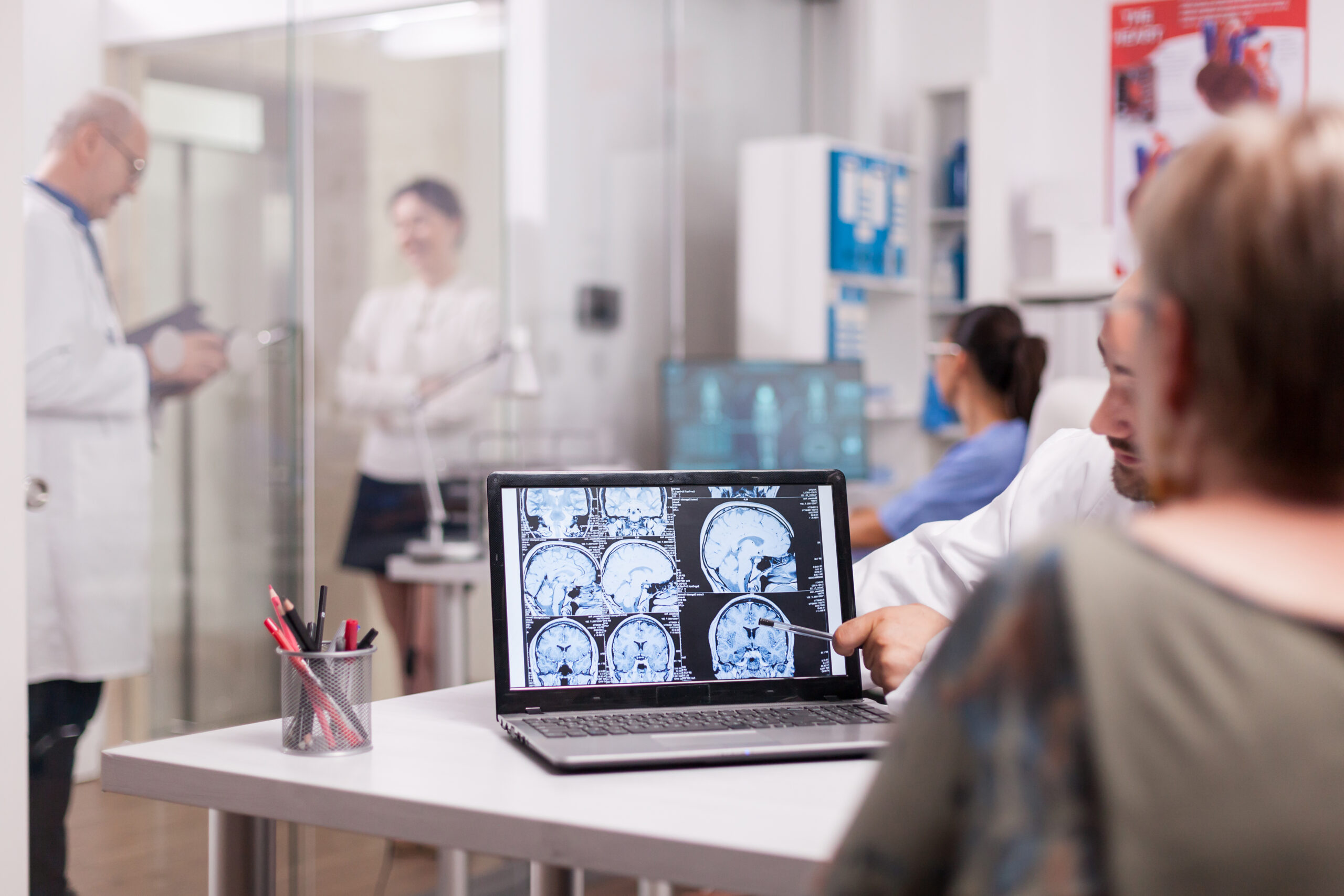
At The Meningioma Center the use of minimally invasive strategies in neurosurgery has resulted in less brain trauma and manipulation. These advantages are clearly illustrated by the absence of footprints – brain edemas and contusions on post-operative MRIS – and undesirable consequences .
Conformational Surgical Planning
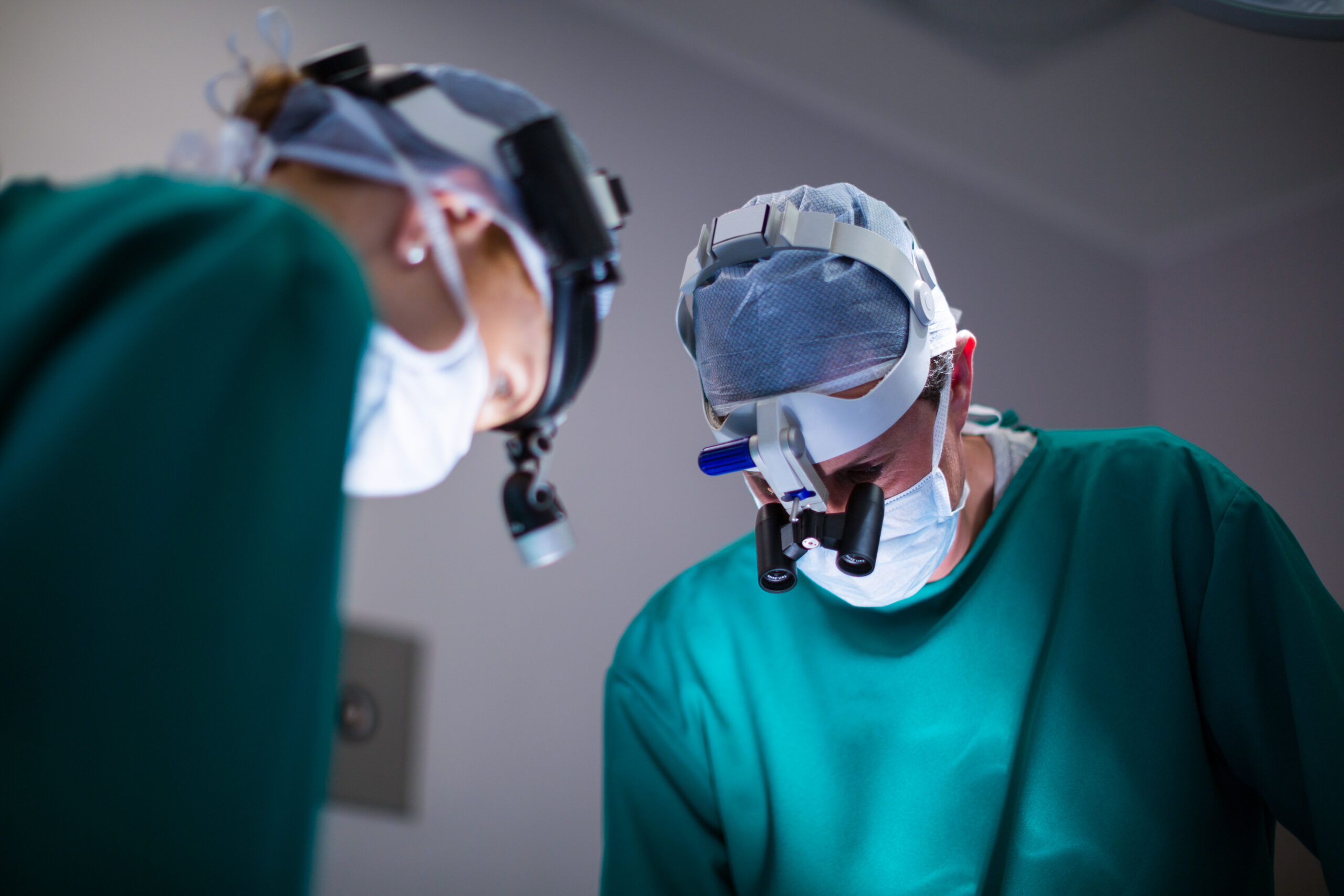
We have a commitment to innovative minimally invasive meningioma surgery, and a multidisciplinary approach enhances safe management, while reducing morbidity, hospital stay length, and complications.